Karva Chauth Mehendi Artist in Delhi: Price, Desig
Sep 25, 2026
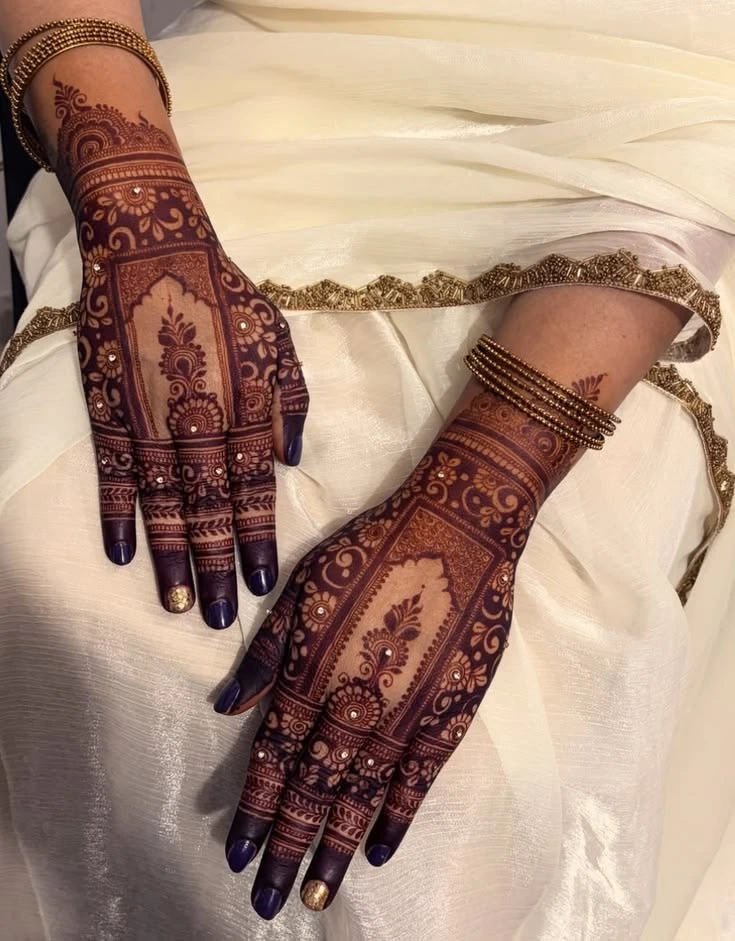
Mehendi is one of those traditions that has been practiced during Indian marriages for decades, but most brides continue to believe in some of the myths about mehendi that have proven to be baseless. Keeping in mind all the latest trends in bridal makeup and mehendi application methods, it becomes necessary for us to understand what factors affect the color and longevity of mehendi.
Manoj Mehendi Artist is an experienced Bridal Mehendi Artist in Noida with more than 20+ years of experience. The team offers brides stunning designs for their marriage and offers them valuable suggestions that will help them have a wonderful experience with mehendi.
It is widely believed that deeper color means more love from the bridegroom. Actually, it all depends on certain factors including skin temperature, the quality of the henna and the care after its application.
Tips for a Darker Mehendi Stain
Expert artists advise putting on bridal mehendi 2 days before the marriage ceremony. It helps achieve the maximum possible coloring of the henna.
It doesn’t matter whether you hire Mehendi Artist in Model Town Delhi or Bridal Mehendi Artist in Noida; you should do that in advance.
The majority of mehendi cones made up for black mehendi have some chemicals that could irritate your skin. Thus, it is always advisable to ask for herbal or organic henna from an artist who knows the process well.
Although lemon juice and sugar can help you keep moisture intact, there are other techniques too that can be helpful:
The price of mehendi depends upon the design, area covered, and customizations. Simple bridal mehendi designs could be quite affordable as well.
In modern times, bridesmaid, mother, sister, and wedding guests also experience Arabic mehendi, floral designs, and henna designs.
Mehendi design for brides needs perfection, imagination, and experience. Hiring a skilled artist with a portfolio will help get more intricate details along with colors.
Mehendi rituals make your day unforgettable; however, believing these myths may create confusion for you. Knowing how to apply mehendi, its after care and hiring skilled professional ensures you get a stunning mehendi design on your special day. With more than 20+ years of experience in providing bridal mehendi service and elegant henna patterns, Manoj Mehendi Artist is here to help you.
Of course, mehendi application is a practice that wedding guests perform during weddings in India. Mehendi designs like basic, Arabic, or fancy mehendi are selected by bridesmaids and family and friends during the celebration.
A professional bridal mehendi artist can be booked by viewing his/her portfolio, going through client feedback, and deciding on design requirements beforehand. You can also reach out to Manoj Mehendi Artist for more information on packages and booking your mehendi appointment.
Yes, natural henna is definitely safer and stains beautifully red-brown.
The color of mehendi might not get darker either due to the usage of old henna or washing off the paste too soon after the application or even when one comes into contact with water immediately after applying mehendi.
Normally, natural mehendi tends to change its color from orange to dark reddish brown after 24 to 48 hours. It is determined by the quality of henna used and body warmth.
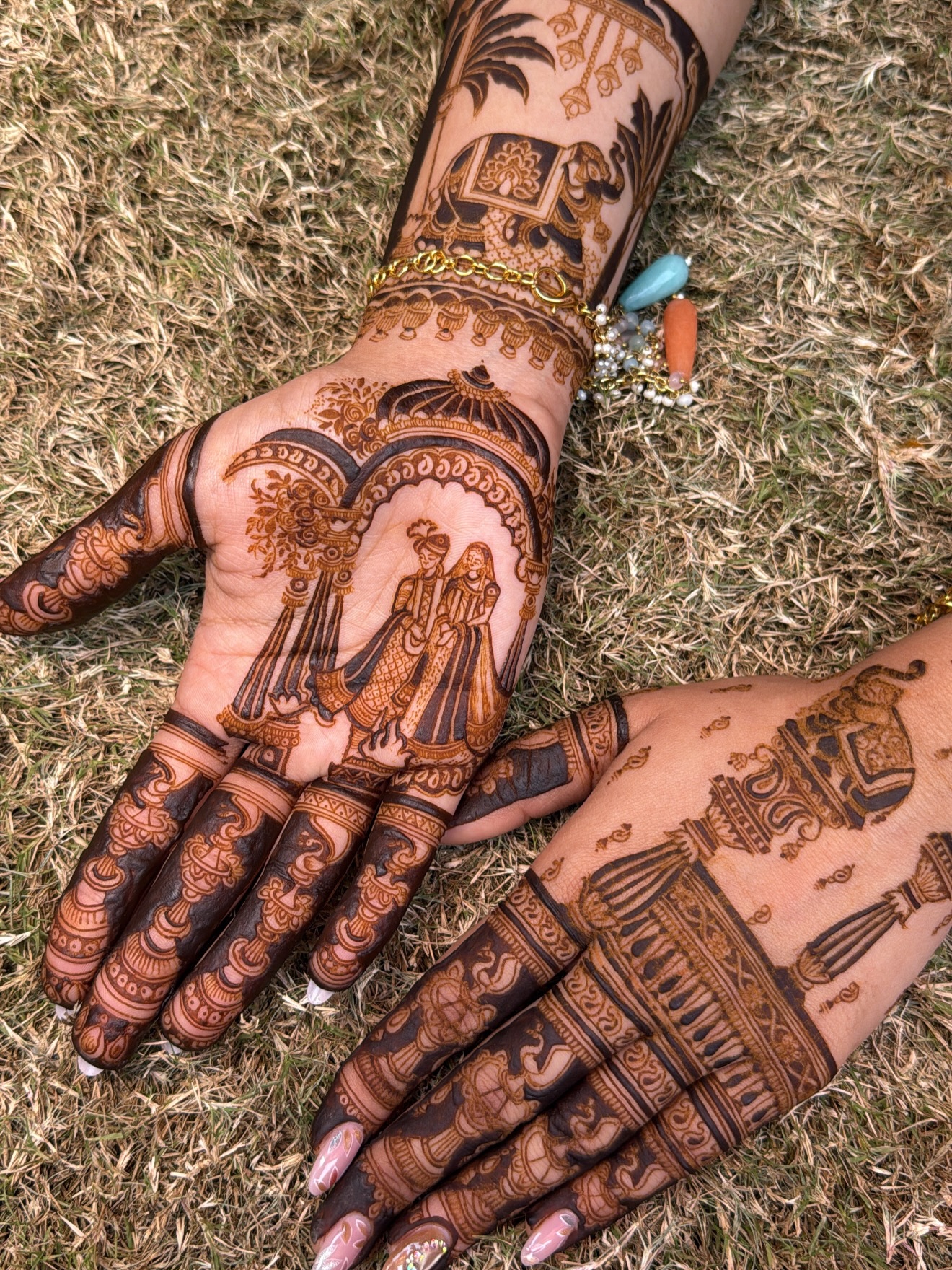
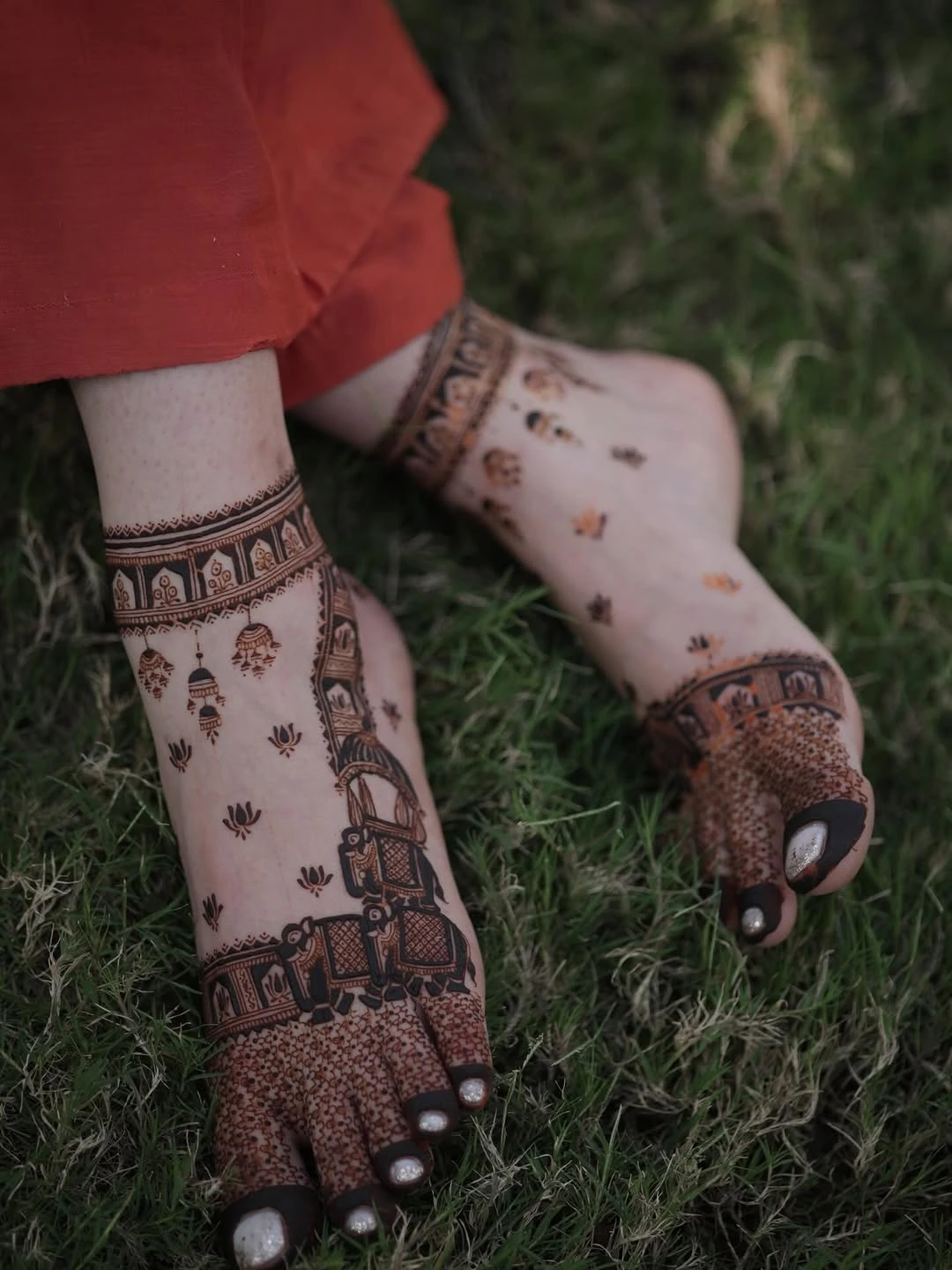
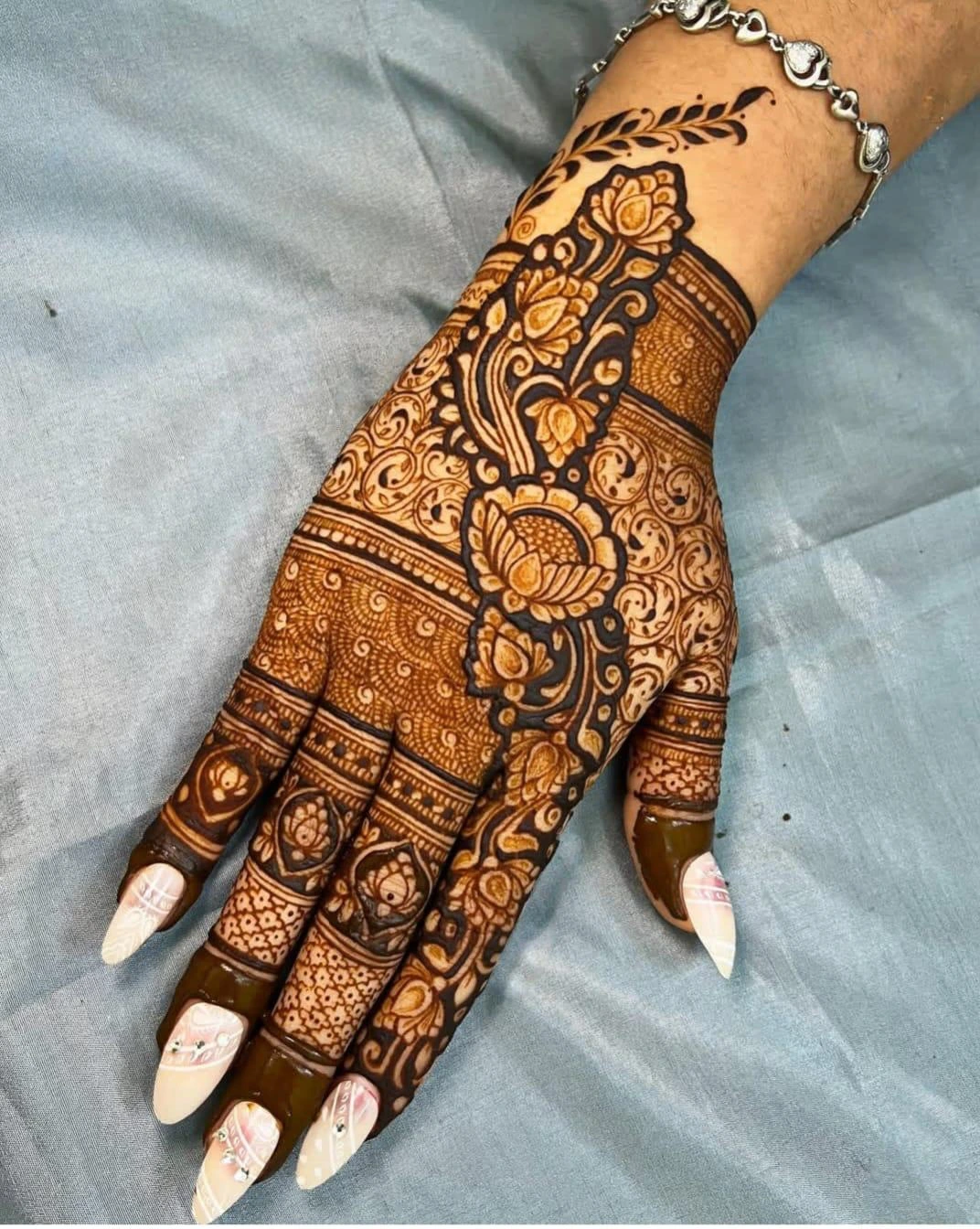
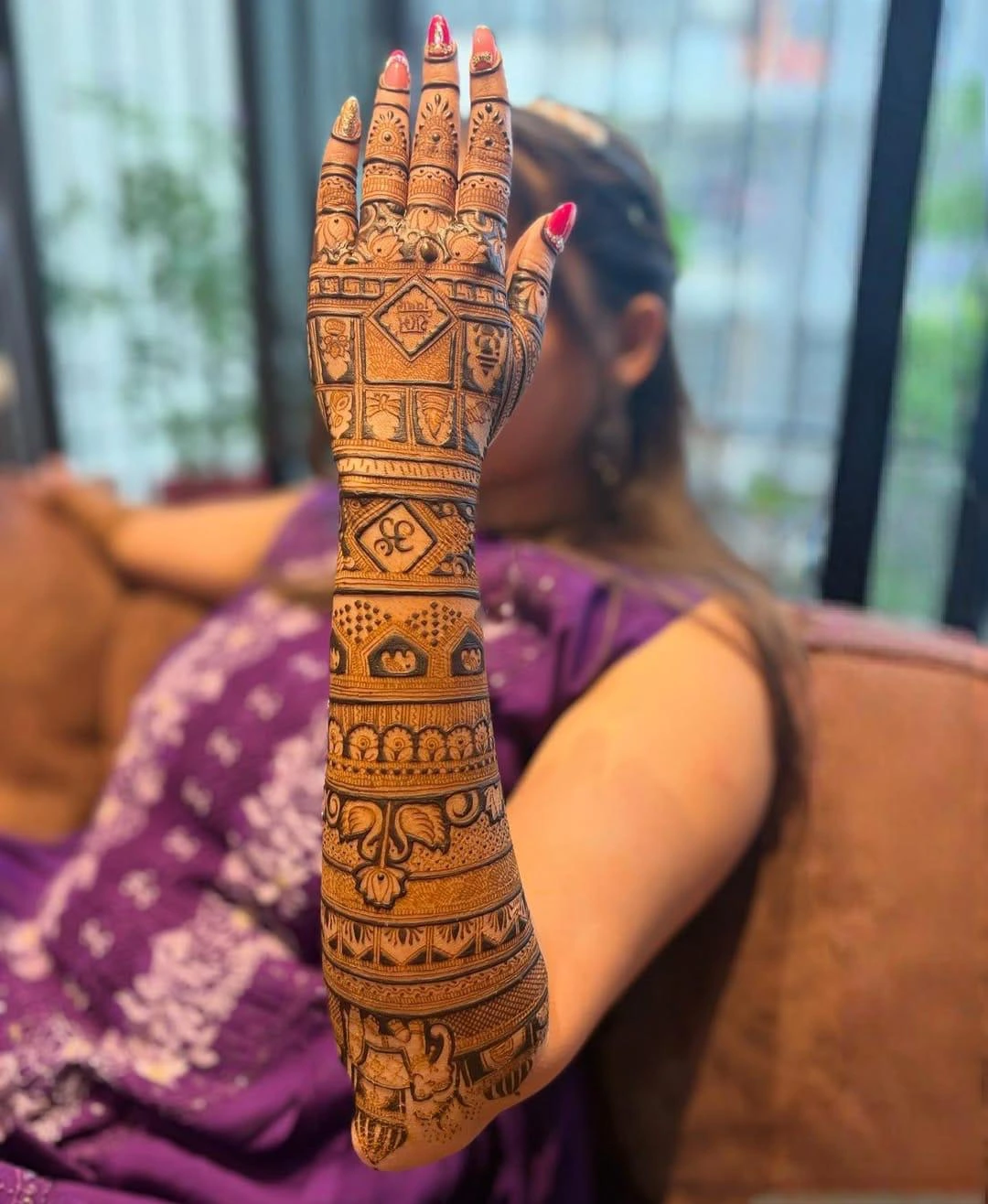
Luxury Mehendi Experience in Delhi & NCR
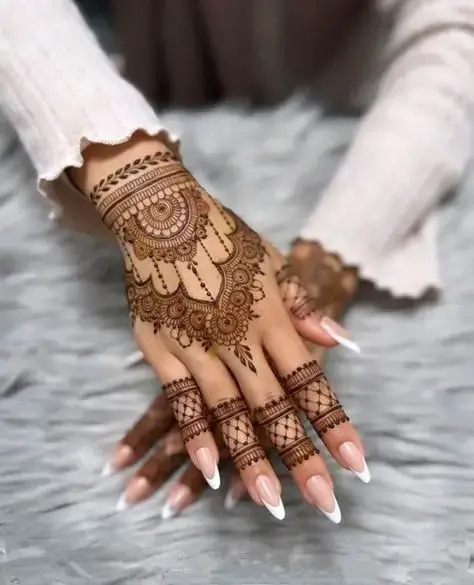
Share your details to get a quick response.
Rest assured, your details are secure with us.
In a hurry? You can...
Call us now Write to us